
The garden - on stillness, presence, and seeing differently
Created during a period of solitude in Mallorca, The Garden marks a quiet yet profound shift in Nis Namdar’s practice. In this conversation, she reflects on stillness, the presence of animals, and a more attentive way of seeing — one that gently repositions what it means to be human.
1. The Garden marks a new body of work. What was the starting point for this series?
Two years ago, I landed on the Balearic island of Mallorca, and everything shifted. New landscapes, a new language, no familiar faces—just me and this overwhelming, beautiful stillness I’d never known before. The solitude didn’t just change my surroundings; it stripped away the noise, the habits, the distractions. Suddenly, I was face-to-face with myself and the world around me. That’s where The Garden was born—not from a plan, but from this deep, almost primal need to respond to the quiet.
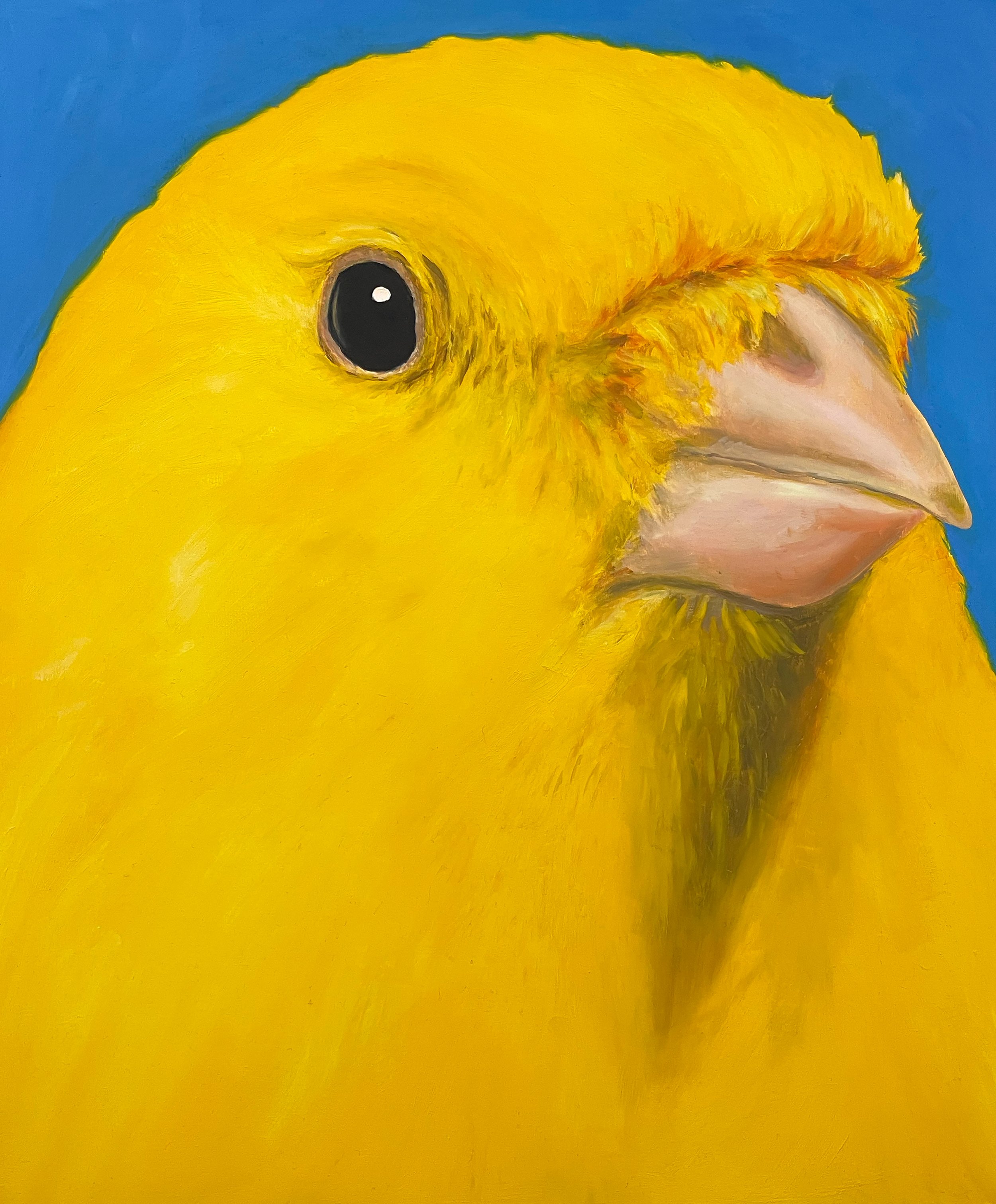
Flying Solo, 2026, Oil on canvas, 60×50 cm
2. Your paintings explore the relationship between animals, humans, and nature. What draws you to this dialogue?
I started with human portraits, but then something electric happened when I began to weave animals into the work—like in Ocean Eyes. It wasn’t just about adding another figure; it was about breaking the hierarchy. Humans weren’t the center anymore. The moment I stepped back, the whole story changed. Animals became mirrors, even teachers. Their presence opened up this vast, untamed space where nature wasn’t just a backdrop—it was alive, demanding to be seen.
And the more I painted them, the more I realized how much we have in common. Their stillness, their wildness, their quiet dignity—it’s all there in us, too, if we dare to look.
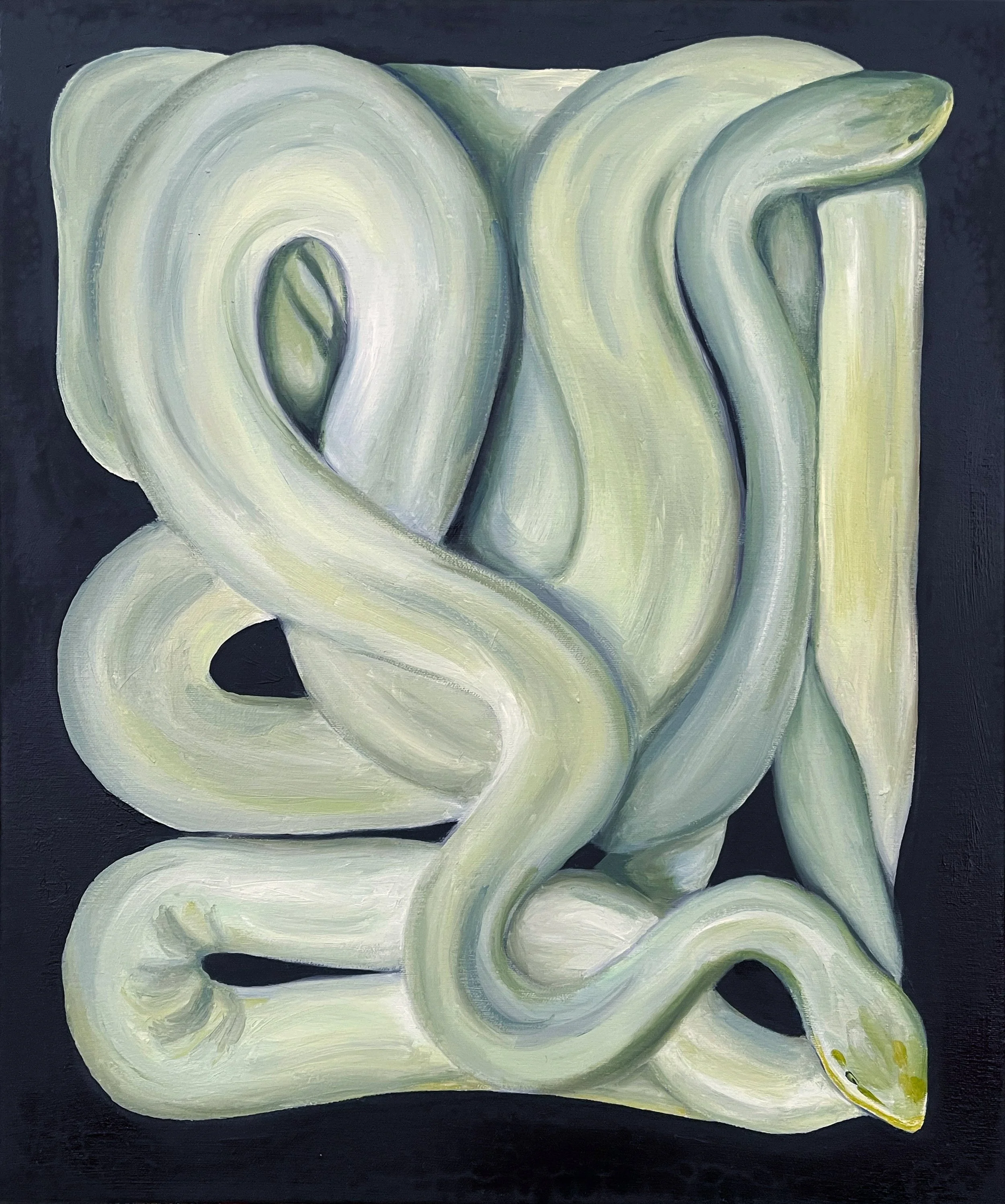
It’s complicated, 2026, Oil on canvas, 46 × 38 cm
3. Your practice reflects on what it means to be human. How has this question evolved for you through painting?
Funny enough, the deeper I dug into what it means to be human, the further I moved from humans themselves. The people I saw, and myself included, were rushed, anxious, tangled in invisible webs of expectation. But animals? They’re just there—fully present, unapologetically themselves. They reminded me of what we’ve lost: the art of being, the humility of knowing our place in the circle. Every creature has a role. But we’ve forgotten we’re part of that. My work is a call to remember—to step out of the chaos, to touch the earth again, to see ourselves not as rulers, but as threads in this vast, shimmering tapestry of life.
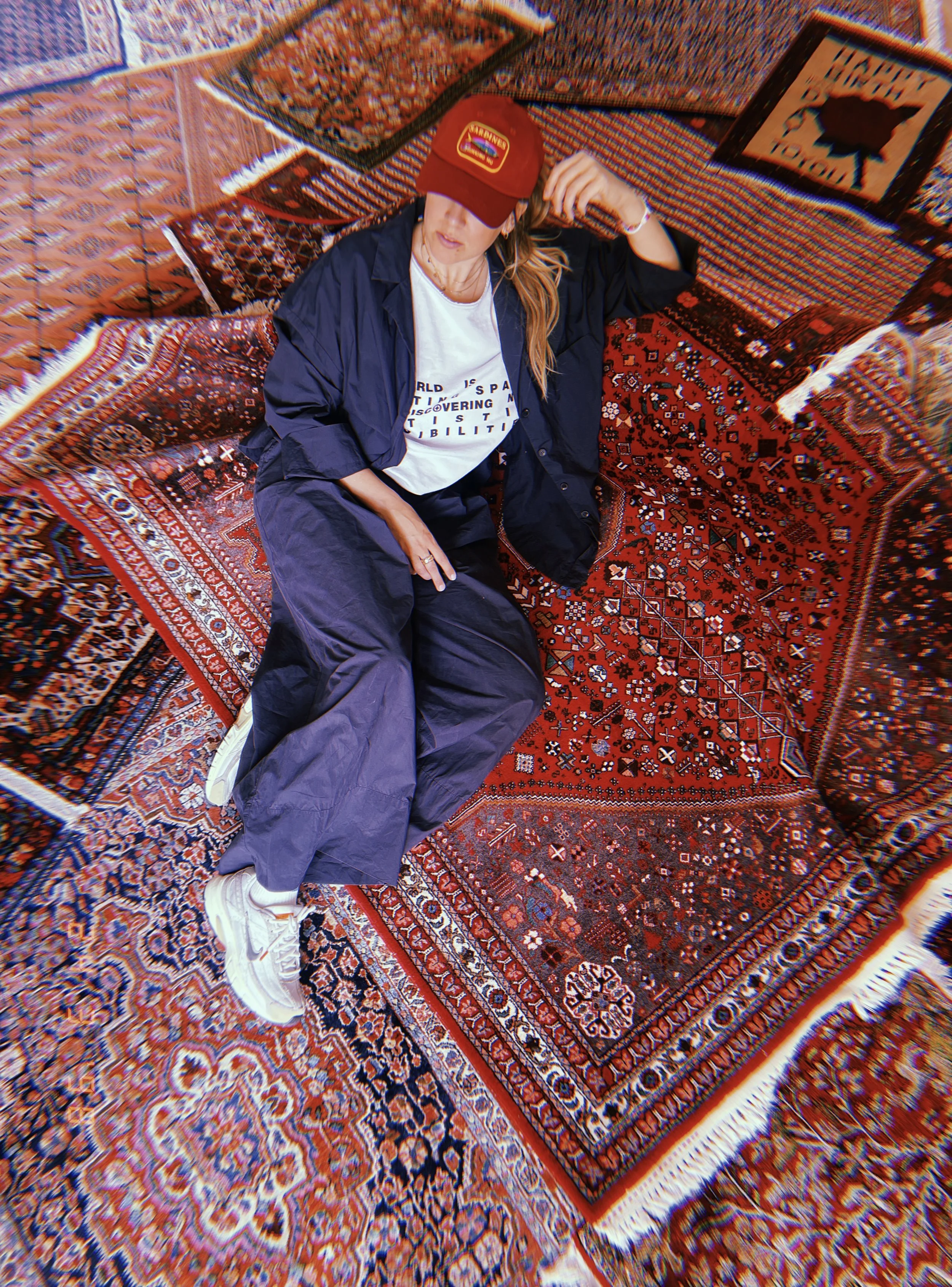
Nis Namdar in her Studio, 2026
4. Your work balances precision and emotion. How do you navigate this tension in your process?
I don’t paint what I see—I paint what I feel. That’s where the magic lives, in the space between the real and the imagined. So I let the brush dance between precision and wildness: a sharp eye here, a burst of color there, a line that’s more about energy than accuracy. It’s not about perfection; it’s about truth. The truth of a moment, a glance, a breath. I want people to look at my work and feel something stir inside them—not just see a picture, but experience a spark and feel something.
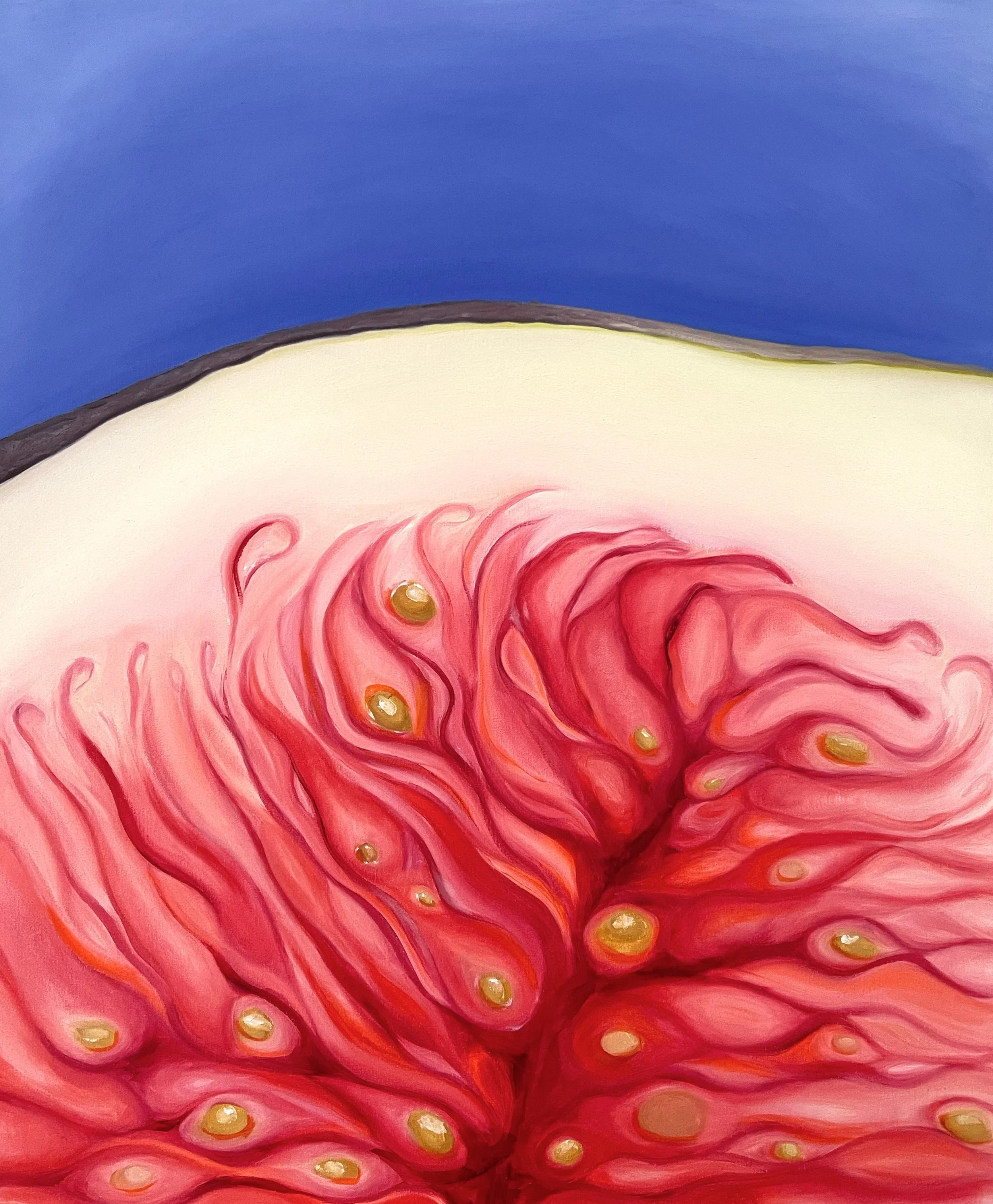
You may also want to read


Created during a period of solitude in Mallorca, The Garden marks a quiet yet profound shift in Nis Namdar’s practice. In this conversation, she reflects on stillness, the presence of animals, and a more attentive way of seeing — one that gently repositions what it means to be human.